
Our Technology
The transmission medium is now an architectural decision.
Relativity Networks’ anti-resonant hollow core fiber began at CREOL, the College of Optics and Photonics at the University of Central Florida, where co-founder and CTO Dr. Rodrigo Amezcua Correa developed an independent anti-resonant design optimized for high optical power handling. The same architecture delivers the low propagation delay and clean signal performance that telecom and AI infrastructure require at scale. We engineered it for volume manufacturing from the start, enabling hyperscale deployment.
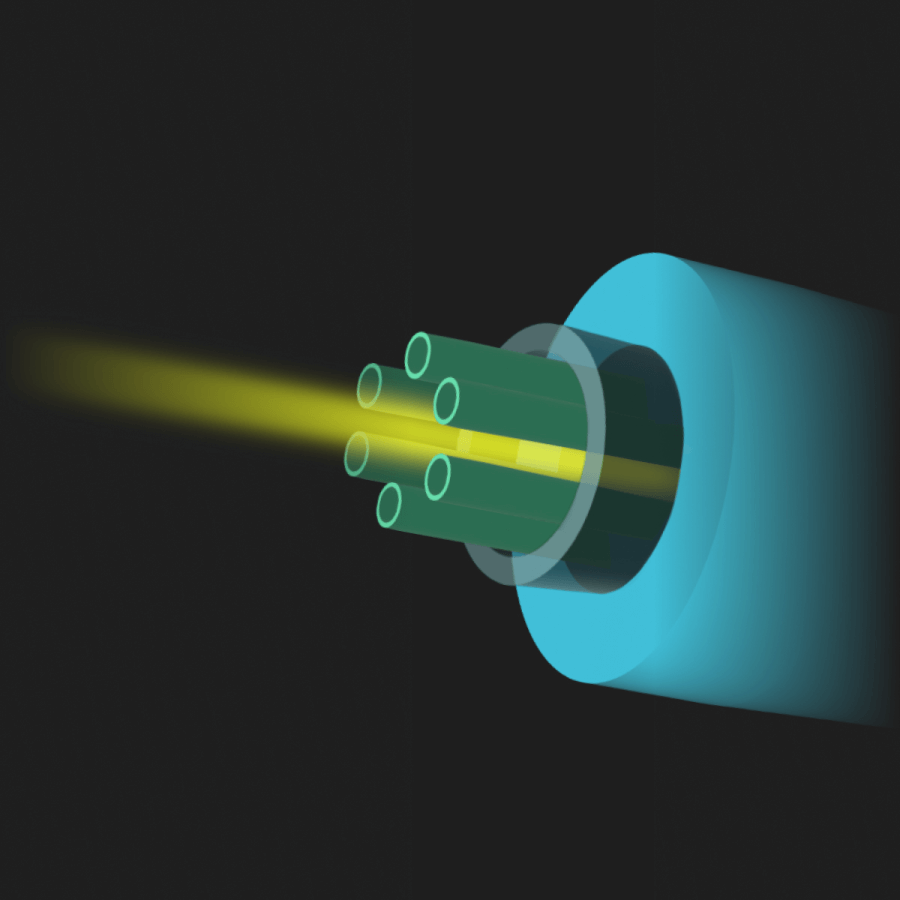
Precision-engineered glass walls, thin enough to be invisible to the human eye, form mirror-like boundaries that confine light and guide it through an air core. Because light travels faster through air than through glass, ChronoCore™ delivers lower propagation delay while significantly reducing nonlinear transmission impairments and chromatic dispersion.
ChronoCore™ transforms that innovation into carrier-grade infrastructure: fiber and cable manufactured at scale with Prysmian, Relativity’s proprietary couplers and connectors for seamless integration with existing single-mode networks, and Trusted Installation Partners qualified to deploy routes to carrier-grade standards.
Networking used to connect compute. In the AI Geography Era, networking defines the geography within which distributed compute can still operate as one synchronized machine. Scale Up stays in the rack. Scale Out stays in the building. ChronoCore™ extends the fabric across distance—the Scale Across layer this era requires.
Technology
How it works
Why the Medium Is the Architecture
For decades, data transmission has relied on solid-core glass fiber, where light travels at roughly two-thirds the speed of light in vacuum — approximately 5 microseconds per kilometer. That fixed delay is the Propagation Tax.
ChronoCore™ replaces the glass core with air. Precision-engineered anti-resonant structures guide light through the air-filled core at approximately 3.4 microseconds per kilometer — roughly 47% faster propagation, or about 32% lower latency over the same span.
When propagation dominates the remaining latency budget, the transmission medium is no longer passive infrastructure. It is an architectural choice.
AI Geography: More than Doubles the Territory
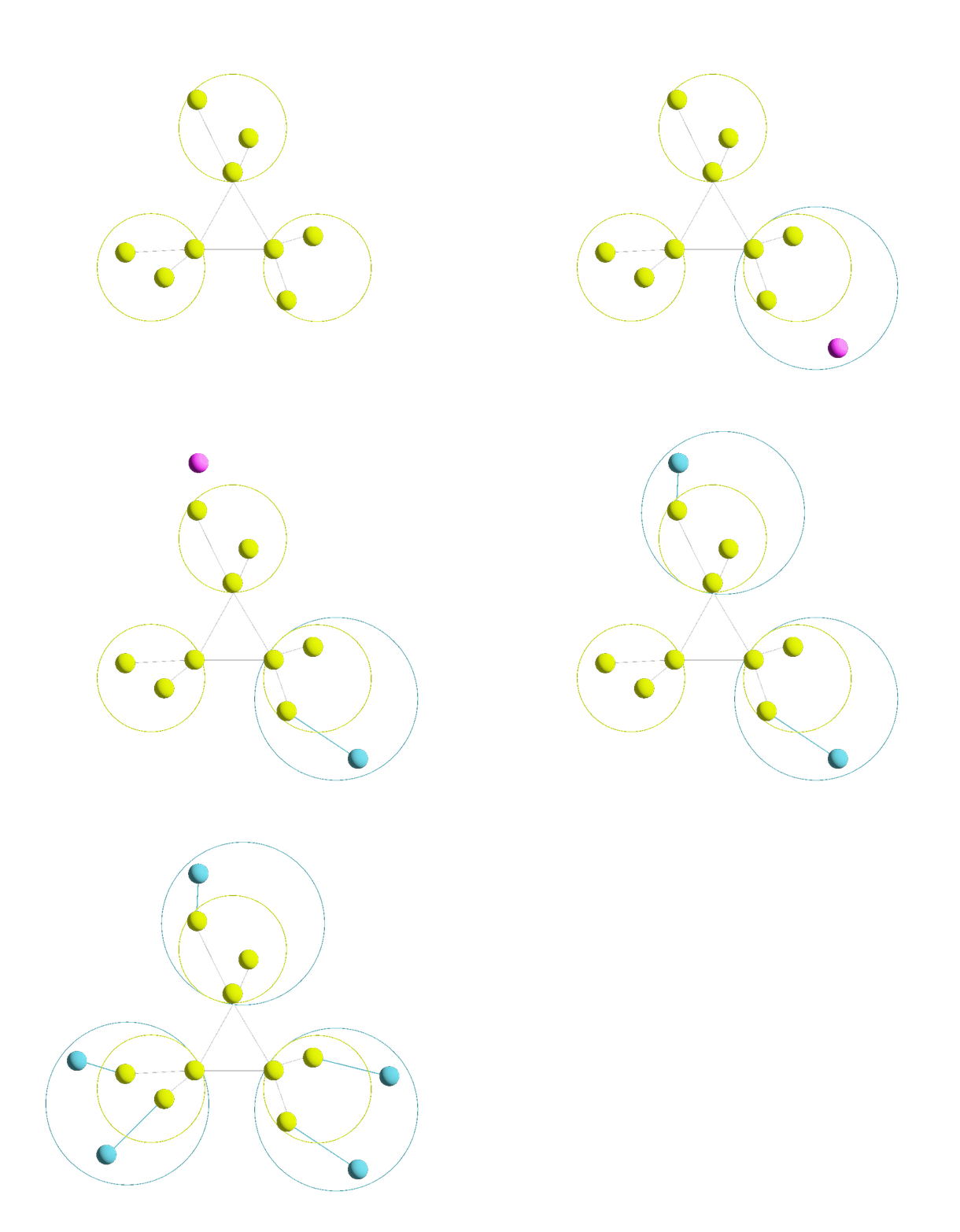
A distributed training design has a fixed synchronization budget. Every kilometer of route spends part of it.
Held against that budget, ChronoCore™’s lower Propagation Tax lets sites sit roughly 47% farther apart within the same window. Because reachable area grows with the square of radius, that reach extension more than doubles the territory in which a viable site can be located.
That recovered budget can be spent as greater distance or as higher utilization — more useful work from the same power and silicon across a months-long training run. The medium sets the price per kilometer.
Why Relativity Networks
Revolutionizing Connectivity for the AI Era
~47%
Faster propagation than conventional glass fiber
>2.0x
Larger datacenter build zones
3.4µs/km
Propagation delay in ChronoCore™ (vs ~5 µs/km in glass)
5years
Up to 5 years saved by building near power-rich locations
Synchronization Across Distance
At each training step, results from every site must be synchronized before the next step can begin. No accelerator proceeds until the slowest contribution arrives.
ChronoCore™ minimizes the Propagation Tax that synchronization pays on every step — keeping distributed GPUs running as one machine and protecting the utilization of the most expensive compute ever built.

The Architectural Response: ChronoCore™
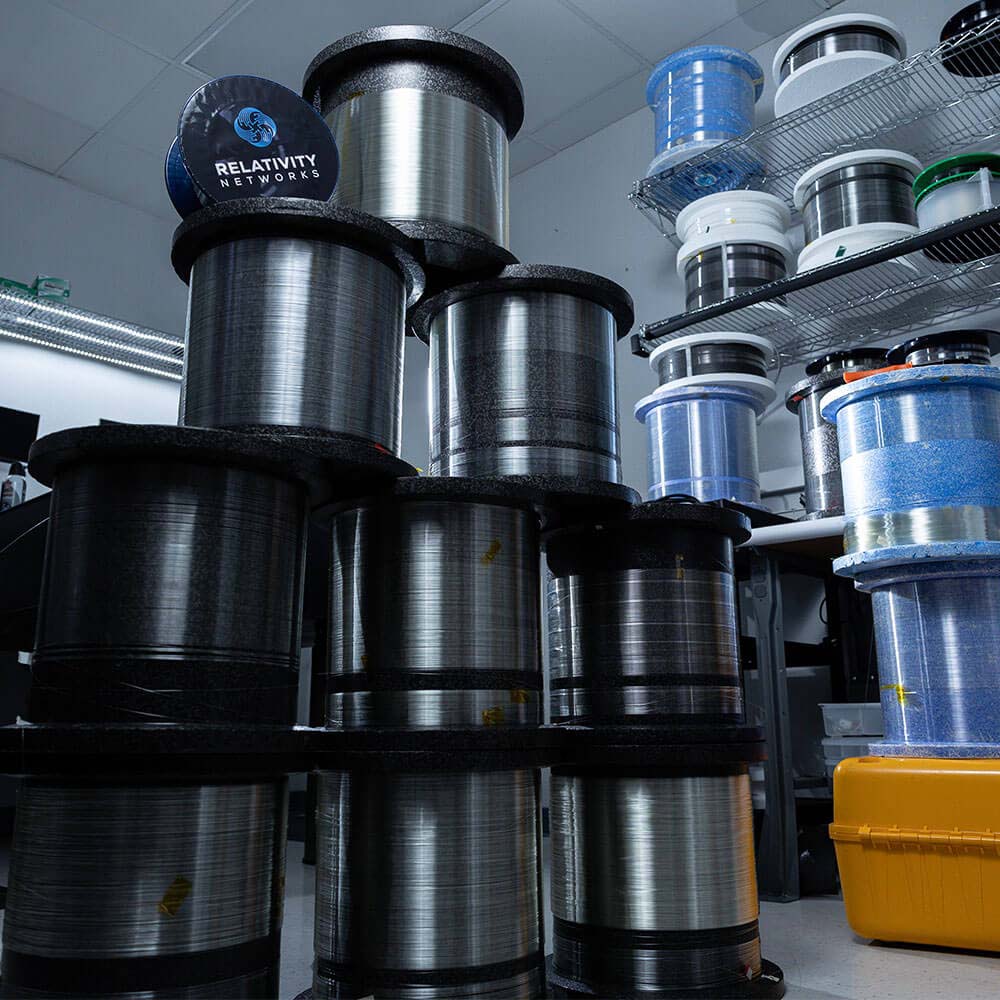
ChronoCore™ is enabled by Relativity Networks’ patented anti-resonant hollow-core fiber designs. Manufacturing at scale runs through our partnership with Prysmian, the world’s largest cable manufacturer.
Carrier-Grade Deployability
ChronoCore™ is built for real deployment — new site-to-site routes or existing fiber ducts. Industry-standard connectors, carrier-grade qualification, and field practices mean operators can light low-latency links without redesigning the network around a new medium.
Relativity designs the low-loss couplers that connect ChronoCore™ to standard single-mode fiber, so hollow-core spans integrate cleanly with the rest of the optical plant. Trusted Installation Partners are qualified to splice, test, and commission these routes to the same operational standards used for conventional fiber, so the performance gain arrives without disrupting established deployment workflows.
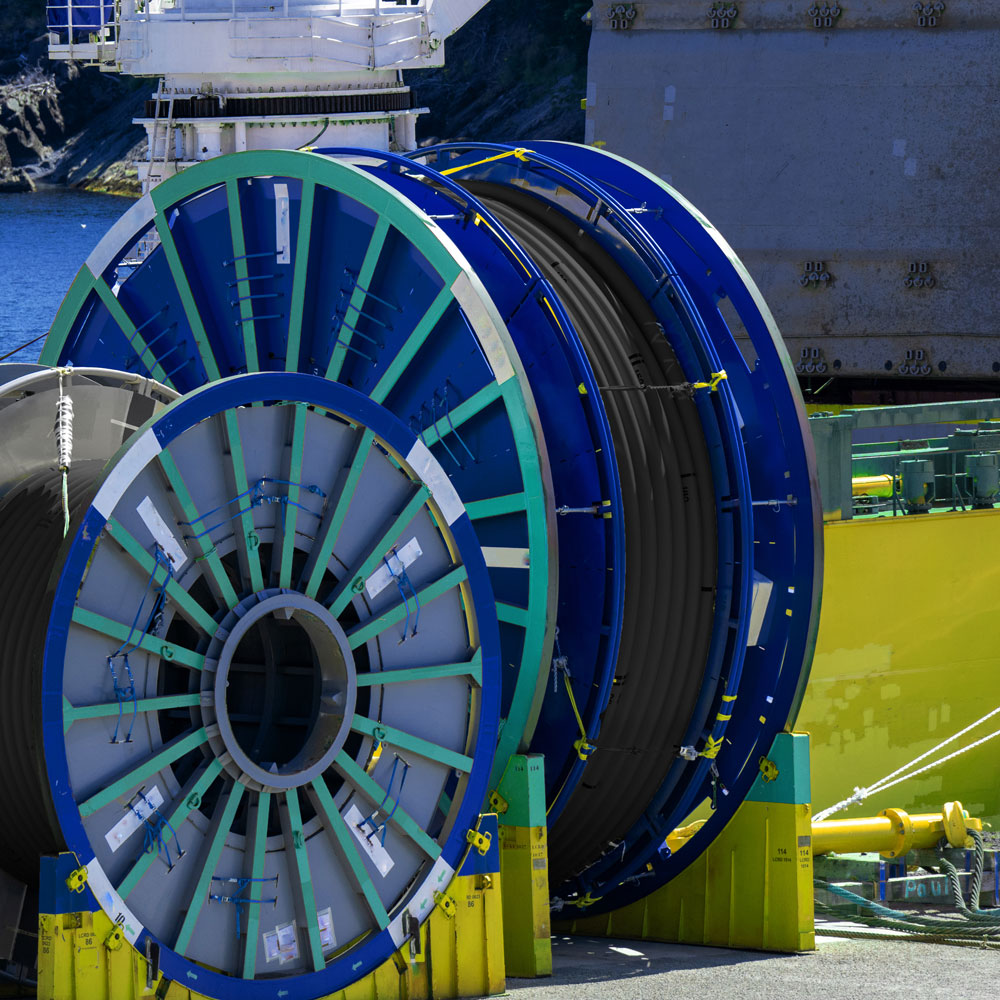
ChronoCore™ is shipping today. Fiber and cable are in commercial production with Prysmian, with field deployments underway.

The Optical Network of Tomorrow, Today
By guiding light through air instead of glass, ChronoCore™ lowers the Propagation Tax and delivers cleaner signals over distance. The same installed fiber supports 1.6 Tbps today, with 3.2 Tbps and beyond expected in future generations without re-trenching the route.
Built for the AI Geography Era
ChronoCore™ is designed for the workloads that now span campuses: large-scale training, distributed inference, and any system that must stay synchronized across distance. The same low-latency medium that protects training utilization also improves responsiveness for multi-step and agentic pipelines that cross site boundaries.
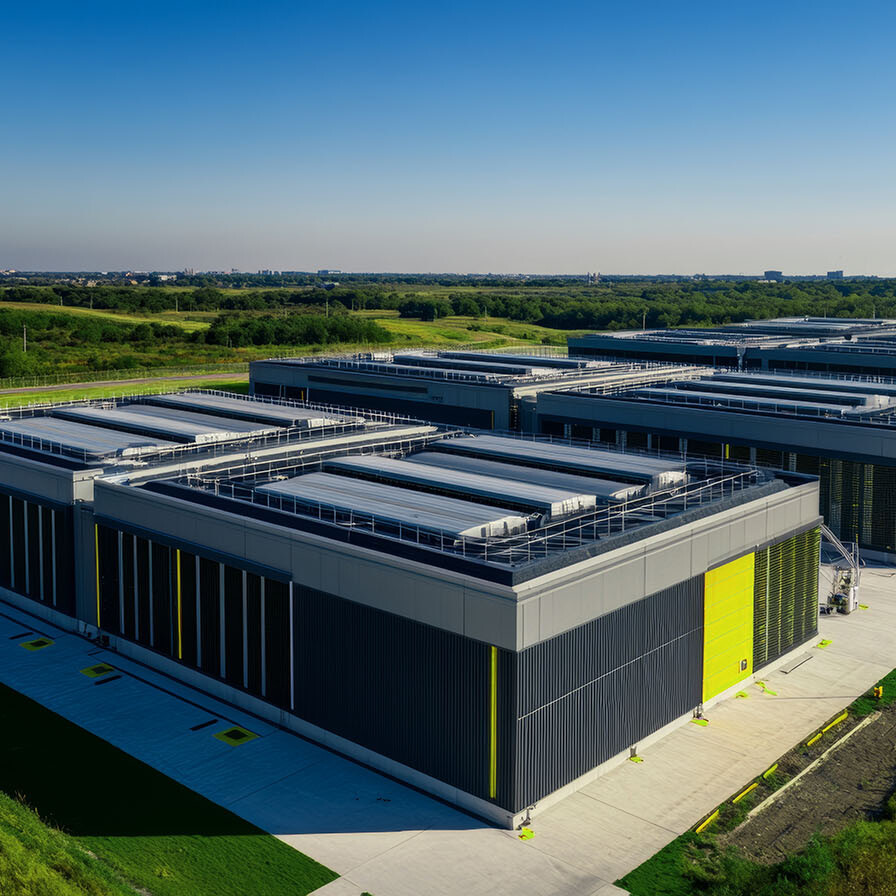
Inter Data Centers
Seamlessly connect facilities to keep critical systems in sync

Intra Data Centers
Streamline operations, connectivity, increase efficiency and drive down power consumption inside facilities to support AI growth
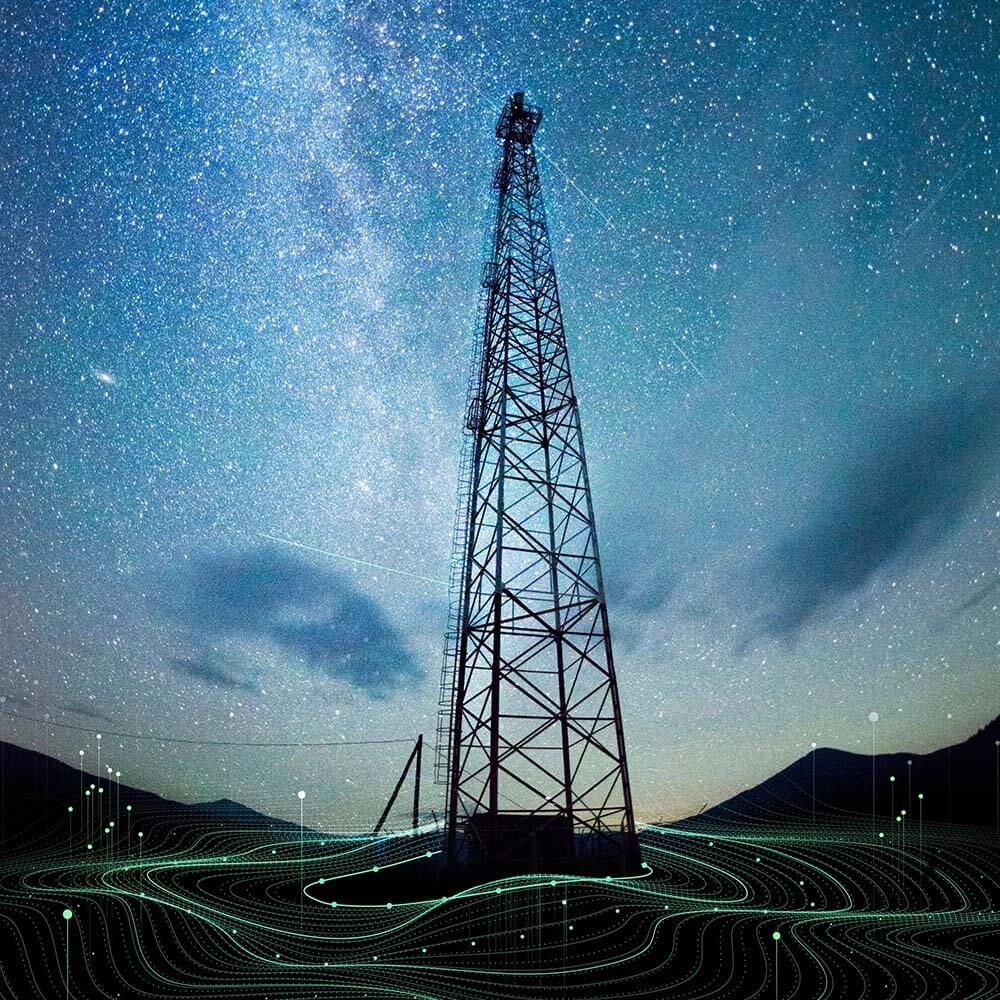
5G and Mobile Providers
Take ultra-fast connectivity to new geographies, expanding reach beyond traditional limits

High-Frequency Trading
Delivering quicker data transport to support financial markets and time-sensitive trades

Network Operators & Telcos
Enhance global networks with faster speeds and greater capacity
Evolving Technology
The Old Ways vs. The New Way
For 40 years, solid-core fiber has been the standard for data transmission. Now, Hollow Core Fiber is emerging as the superior alternative, meeting the energy demands of AI-driven data centers with faster, more efficient performance.
Traditional Solid Core Fiber
- Made of glass silica core
- Guides light via total internal reflection through glass core
- Light moves at two thirds the speed of light (~5 µs/km)
- Fundamental losses due to material absorption and scattering
ChronoCore™ (Relativity Networks’ AR-HCF)
- Guides light through air using anti-resonant effects
- ~47% faster light transmission (~3.4 µs/km)
- Reduces latency due to faster light propagation in air versus glass, enabling larger AI clusters and easing synchronization challenges of high bandwidth links
- Air core avoids the material absorption and scattering losses inherent to silica glass
- Ultra broadband transmission
- Minimal signal interference, air core has lower chromatic dispersion and significantly reduces nonlinear transmission impairments
- Ready for 1.6 Tbps and beyond
Early Hollow Core Fiber (Photonic Bandgap Fibers)
- Guides light through air using photonic bandgap effect
- ~47% faster light transmission, but narrow usable bands limit deployment
- Reduces latency due to faster light propagation in air versus glass
- Narrow transmission bands (typically 30-50nm bandwidth)
- Higher loss (>1dB/km)
- Complex microstructured cladding design
- Challenges in scaling manufacturing
The AI Geography Era
The synchronization budget a distributed design has to spend, the Propagation Tax every kilometer charges against it, and why only the medium can change the price.